

Branding & business · December 21, 2020
5 Things Your Logo Is Doing Wrong and Why It’s Costing You Money

A carefully crafted logo is essential for every thriving company because it is often the first brand element people see. We only get one chance to make a great first impression. These five common mistakes could be limiting your growth and costing your company money.
1. Your logo is too complex
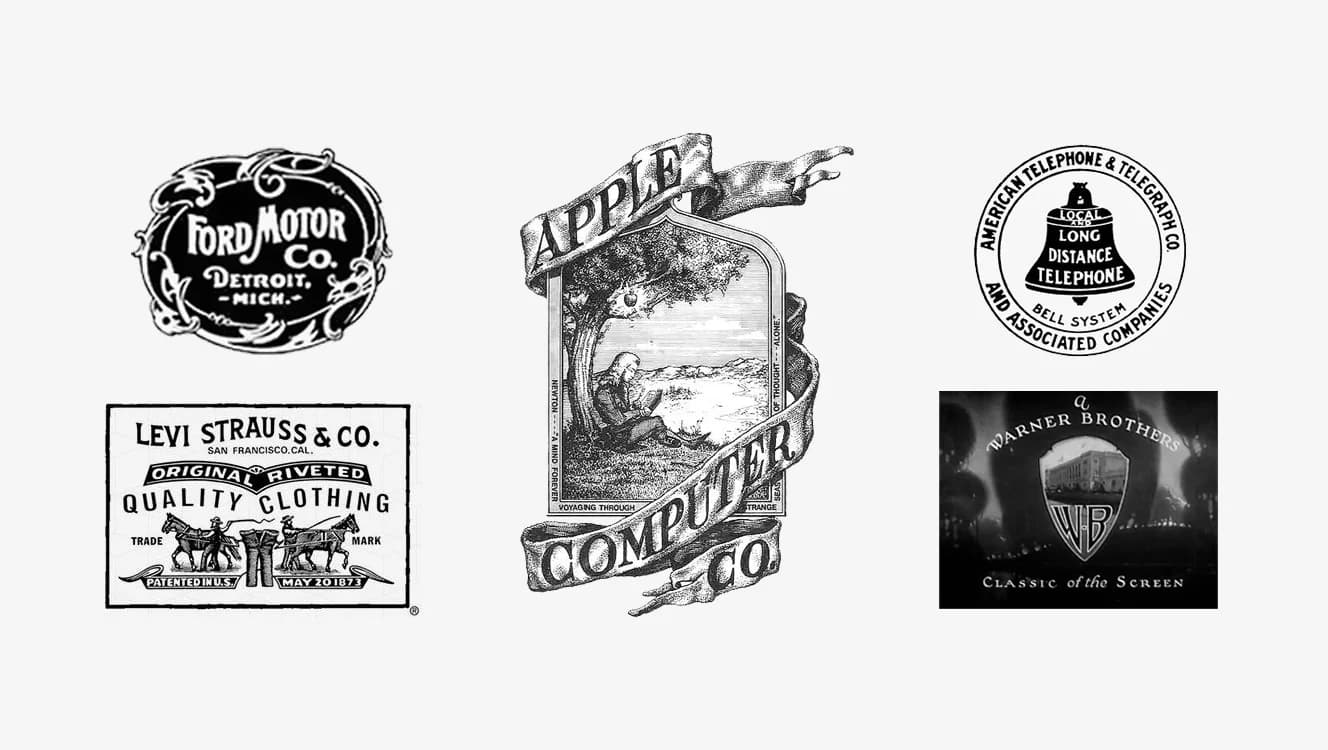
Some of the most memorable brands use logos built from simple shapes. Logos that are too busy are difficult to remember and identify. When scaled down, complex marks lose integrity and important elements can become hard to see or disappear.
Keeping the idea and construction simple makes a logo more visible and memorable at almost any size. A useful test is whether the icon works inside a square—the space used by apps, profile photos, favicons, and other compact environments.
2. Your logo is not responsive
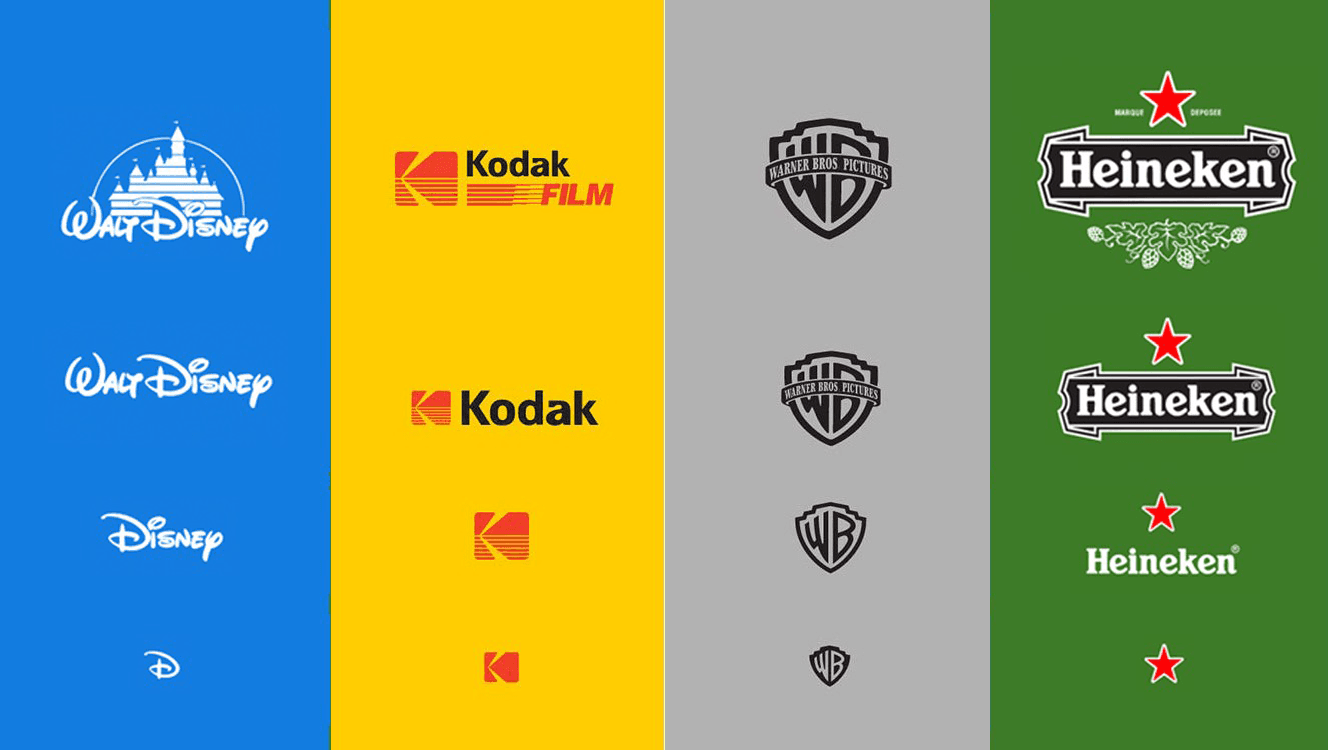
Logos once appeared in a handful of places, such as signs and vehicles. Today they need to function across screens and formats of every size. A responsive logo adapts its size, color, and level of detail to fit those different environments.
One version rarely works everywhere. Using a billboard-sized lockup for a watch icon may be convenient, but it makes the brand harder to identify. When customers cannot recognize your logo, you become easier to overlook.
3. Your logo was not tested
A logo appears across nearly every brand touchpoint, so it should be tested in many applications before it is considered final. Inexperienced designers can miss issues that have a real impact on how the company is perceived.
Consider the mark at different sizes and in one color. Look at it pixelated, mirrored, rotated, upside down, blurred, and through common forms of color-vision deficiency. The cost of testing is small; the cost of discovering an embarrassing or unusable result after launch is not.
4. The colors work against you
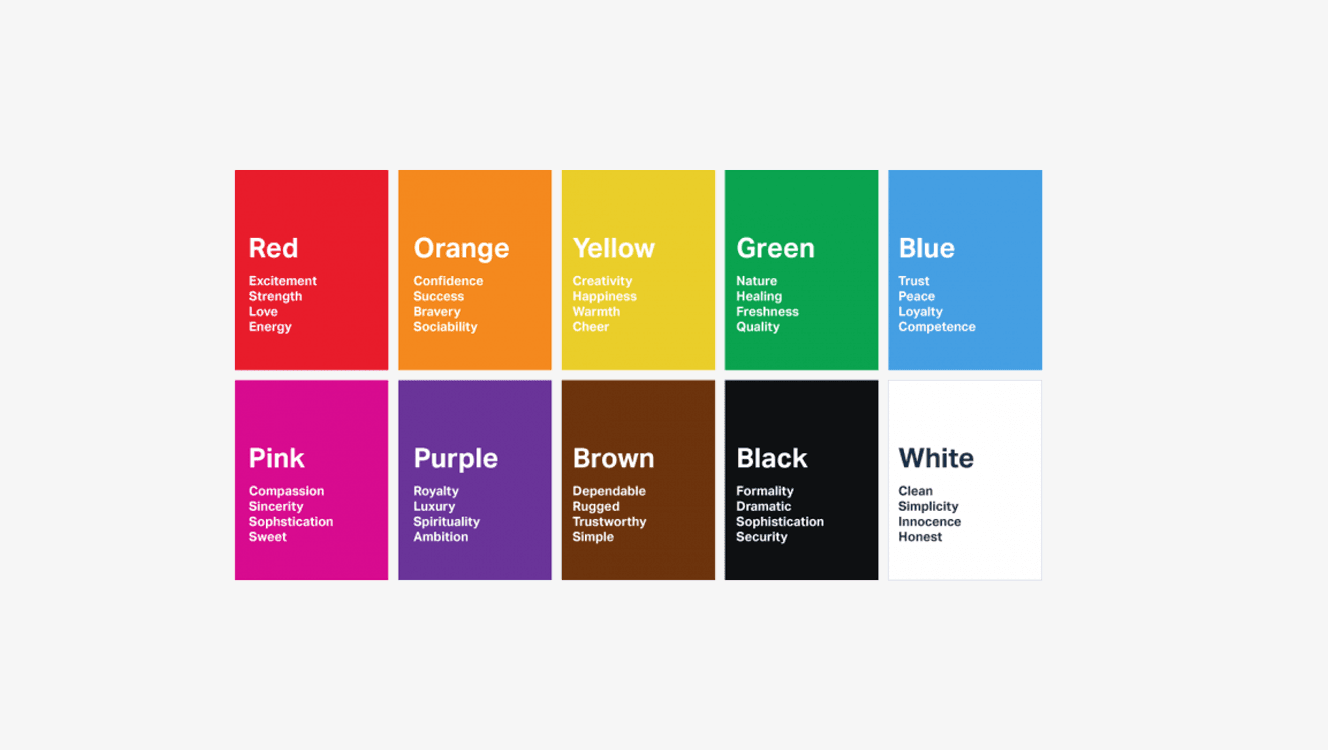
Color has a large psychological impact on how people experience a brand. Financial organizations often use blue to create familiarity and trust, while many fast-food brands use red for energy and attention.
Before choosing brand colors, the logo should work in one color or black and white. Then assess the market and the colors competitors already use. Many leading brands rely on one or two core colors, making it easier to build consistency and recognition that the company can own.
5. It communicates instead of identifying
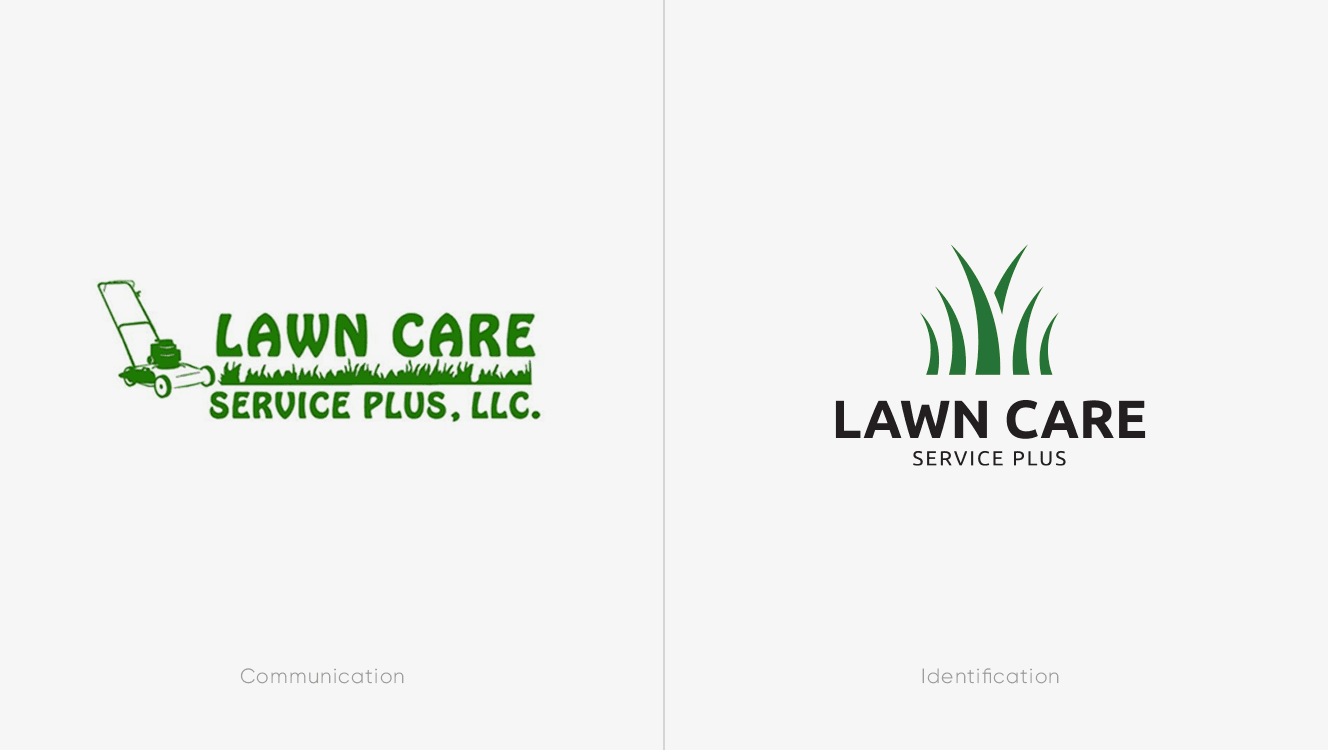
A detailing company does not need a car in its logo, and a lawn-care company does not need a lawn mower. Those marks try to explain what the business does instead of identifying who the company is.
A logo is the simplest identifier for a brand. When it focuses on who rather than cramming in every service, it becomes easier for the brain to process, remember, and recommend. Getting it wrong can also create expensive reprints and replacement costs later.
If your logo is making these mistakes, it may be costing the business attention and making it harder to be discovered and remembered. If you are considering a new logo or identity, get in touch—we would love to talk through what your brand needs.